
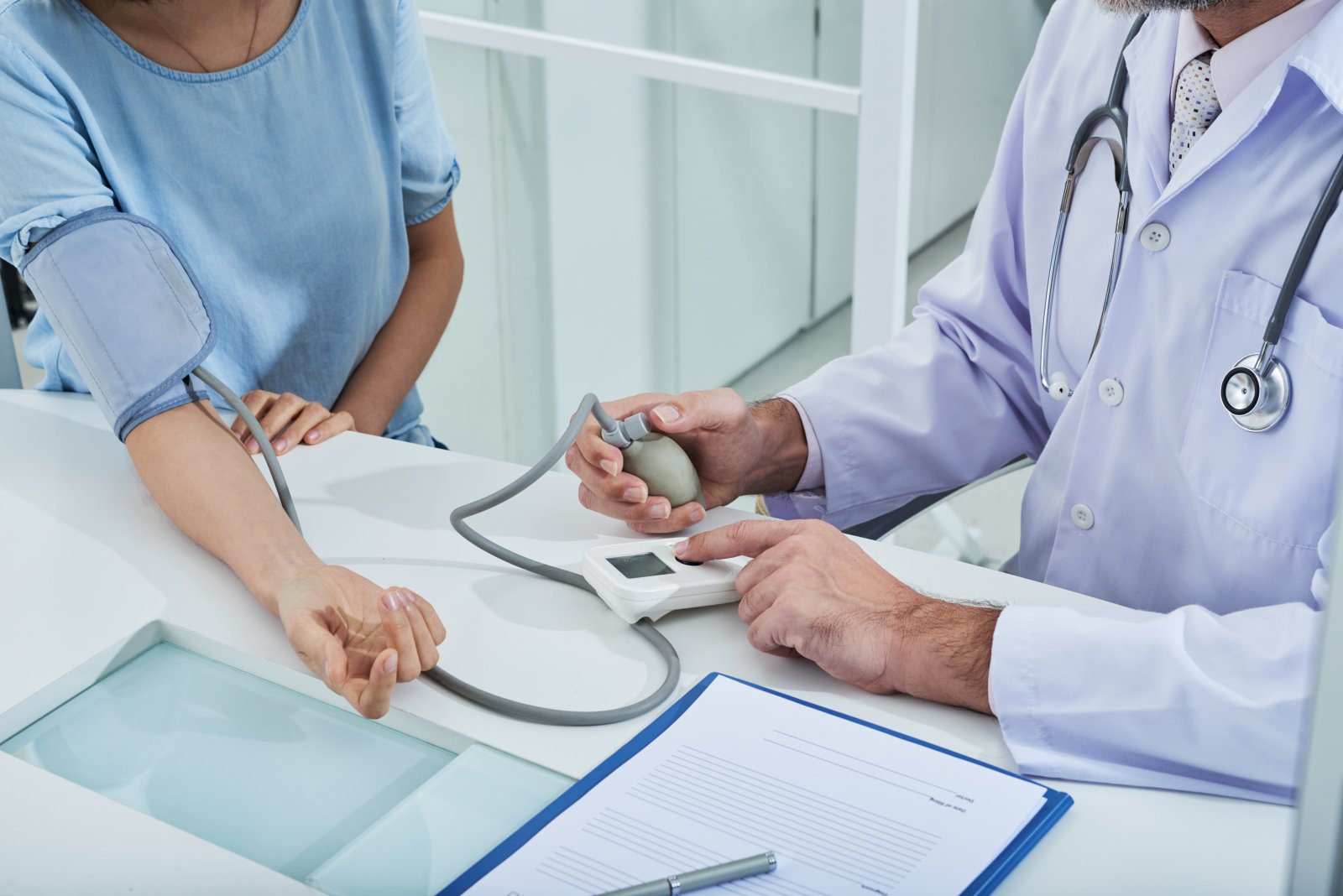
What Is a Preventive Health Checkup?
A preventive health checkup is a routine exam that helps find health problems early. During this visit, doctors look for signs of disease before you feel sick. For example, they may check your blood pressure or test your blood. Because these checkups focus on early disease detection, they help you stay healthy longer. Many people call them wellness exams or routine screenings. According to the World Health Organization (WHO), early detection can improve treatment results and save lives.
Why Are Preventive Health Checkups Important?
Preventive health checkups play a key role in keeping you healthy. First, they help spot health issues before symptoms appear. As a result, you can treat problems early and avoid serious illness. In addition, regular checkups can lower your risk for chronic diseases like diabetes or heart disease. The Centers for Disease Control and Prevention (CDC) says that routine screening can reduce hospital visits and improve quality of life. Therefore, making time for these exams is a smart choice for your well-being.
Common Tests Included in Preventive Health Checkups
Doctors may suggest different tests based on your age, gender, and health history. However, most preventive health checkups include:
Sometimes, your doctor may add more tests based on your needs. For example, they may check thyroid function or vitamin levels. Early detection through these tests can make a big difference in your health.
How to Prepare for a Preventive Health Checkup
Preparing for your preventive health checkup is easy. Still, a few simple steps can help you get the best results:
Because preparation helps your doctor understand your health better, it is important to follow these tips. If you are unsure about fasting or other steps, ask your healthcare provider before your visit.
Benefits of Regular Preventive Health Checkups
There are many reasons to schedule regular preventive health checkups. Some of the main benefits include:
Moreover, these checkups help you build a strong relationship with your doctor. This makes it easier to talk about your health concerns and get the right care.
Tips for Maintaining Good Health Between Checkups
Staying healthy does not end with a preventive health checkup. In fact, there are many ways to care for yourself between visits:
Because small changes can make a big impact, try to build healthy habits every day. Over time, these steps can help you feel your best.
When to Consult a Pathologist or Healthcare Provider
It is wise to consult a healthcare provider or pathologist if you:
Even if you feel healthy, regular checkups are important. Early action can prevent many health problems. Therefore, do not wait for symptoms to appear before seeking advice.
In summary, preventive health checkups are a smart way to protect your health. They help find problems early and keep you on track with your wellness goals. For personalized advice, consult us today.