
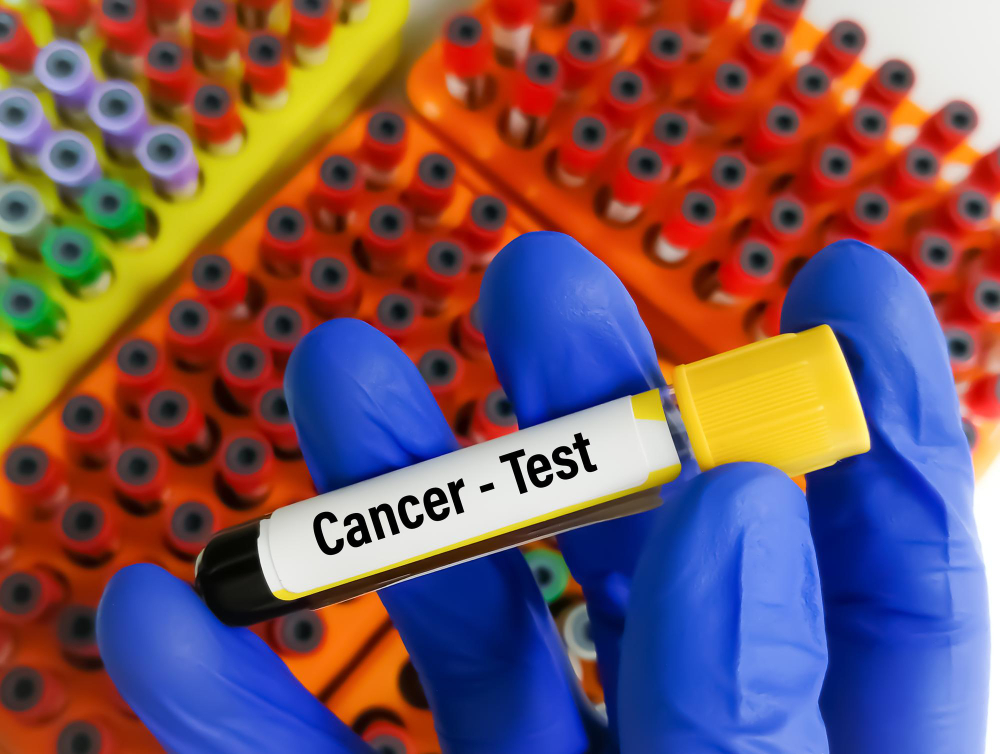
Introduction to Cancer Marker Tests
Cancer marker tests play a key role in early cancer detection. These tests help doctors find cancer before symptoms appear. Early detection can lead to better treatment and higher survival rates. In the United States and around the world, cancer marker tests are becoming more common. Understanding how these tests work can help you make informed choices about your health.
What Are Cancer Markers?
Cancer markers are substances found in blood, urine, or tissues. They are sometimes called tumor markers. Often, the body makes these substances in response to cancer. Sometimes, cancer cells themselves produce them. For example, a high level of a certain marker may suggest cancer is present. However, not all markers mean cancer. Some can rise due to other health issues.
Importance of Early Detection
Early cancer detection can save lives. When cancer is found early, treatment is often more effective. In many cases, early-stage cancers are easier to treat and less likely to spread. As a result, people have a better chance of recovery. Early detection also means less aggressive treatments may be needed. For these reasons, cancer marker tests are valuable tools in cancer screening.
How Cancer Marker Tests Work
Cancer marker tests are usually simple blood tests. Sometimes, urine or tissue samples are used. First, a healthcare provider collects the sample. Next, a lab checks for certain markers linked to cancer. If a marker is high, more tests may be needed. However, a high marker does not always mean cancer. Doctors use these results along with other tests and exams to make a diagnosis.
Common Types of Cancer Marker Tests
There are many types of cancer marker tests. Each test looks for a specific marker linked to a certain cancer. Here are some common examples:
Doctors may use these tests to monitor treatment or check for cancer return.
Benefits and Limitations
Cancer marker tests offer several benefits. For example, they can help find cancer early. They also help track how well treatment is working. In some cases, they can show if cancer has come back. However, these tests have limits. Not all cancers have markers. Sometimes, markers can be high for reasons other than cancer. False positives and false negatives can happen. Therefore, doctors use these tests with other exams and scans.
When Should You Get Tested?
Not everyone needs cancer marker tests. Doctors may suggest them if you have a family history of cancer. Sometimes, they are used if you have symptoms or are at high risk. For example, men over 50 may get a PSA test. Women with a family history of ovarian cancer may need CA-125 testing. Always talk to your doctor before getting tested. They can help decide if these tests are right for you.
Prevention and Lifestyle Tips
While cancer marker tests help with early detection, healthy habits can lower your risk. Here are some tips:
These steps can support your overall health and may reduce cancer risk.
Conclusion
Cancer marker tests are important tools for early cancer detection. They can help find cancer before symptoms start. However, these tests are not perfect and should be used with other exams. If you have questions or concerns, consult Zulfiqar Haider for personalized advice on cancer marker tests and early detection.