
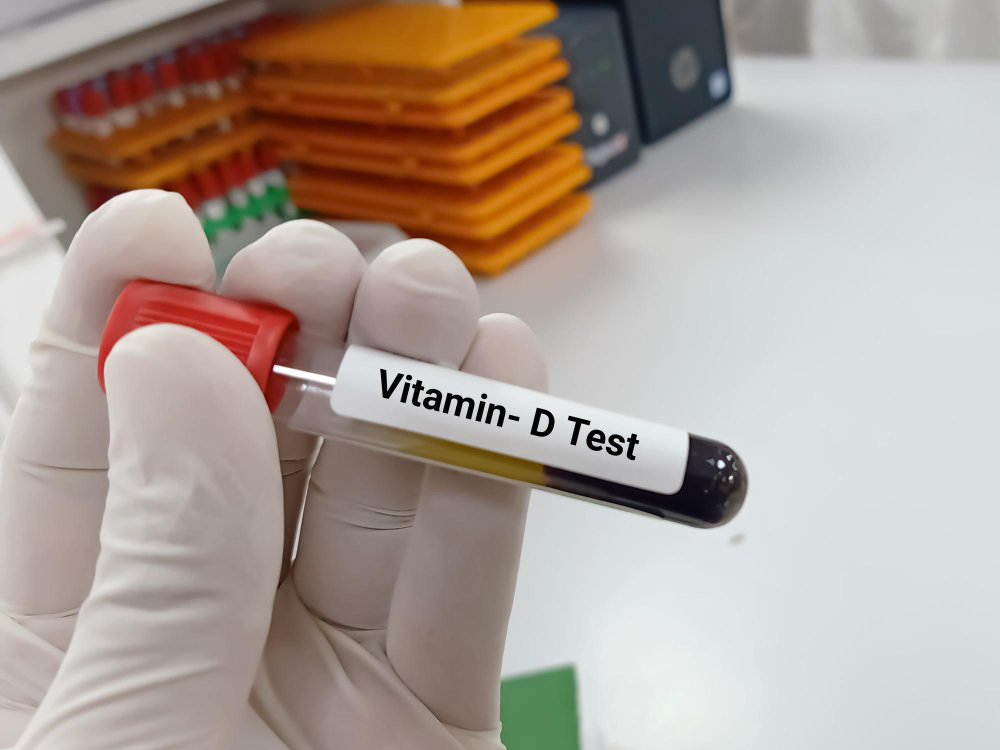
What is the Vitamin D (25-hydroxyvitamin D) Test?
The Vitamin D (25-hydroxyvitamin D) test is a simple blood test. It measures the level of vitamin D in your blood. This test helps doctors check if you have enough vitamin D. Often, people call it the “Vitamin D blood test.” It is the most accurate way to see your vitamin D status. The test looks for 25-hydroxyvitamin D, which is the main form found in your blood.
Why is the Test Important?
Vitamin D is vital for strong bones and a healthy immune system. Without enough vitamin D, your body cannot absorb calcium well. As a result, bones may become weak or soft. Additionally, low vitamin D can affect your mood and energy. For these reasons, the Vitamin D (25-hydroxyvitamin D) test is important. It helps find out if you need more vitamin D. According to the CDC and WHO, checking vitamin D levels can prevent bone problems and other health issues.
Who Should Get Tested?
Not everyone needs this test. However, some people are at higher risk for low vitamin D. You may need the test if you:
For example, your doctor may suggest the test if you have symptoms or risk factors. Children with bone growth problems may also need testing.
How is the Test Performed?
The Vitamin D (25-hydroxyvitamin D) test is quick and simple. First, a healthcare worker cleans your arm. Next, they use a small needle to take a blood sample from a vein. The process takes only a few minutes. Afterward, your blood goes to a lab for testing. Usually, you can return to normal activities right away. Most people feel only a small pinch during the test.
Understanding Your Results
After the test, your doctor will explain the results. Here is what the numbers usually mean:
However, these ranges can vary. For instance, some labs use different cut-offs. Your doctor will help you understand your vitamin D test results. If your level is low, you may need more sunlight, food rich in vitamin D, or supplements. On the other hand, very high levels can be harmful.
Risks and Considerations
The Vitamin D (25-hydroxyvitamin D) test is safe for most people. Still, there are small risks, such as:
But these problems are uncommon. For most, the benefits of knowing your vitamin D level outweigh the risks.
How to Prepare for the Test
Usually, you do not need to do much to prepare. In most cases, you can eat and drink as usual. However, some medicines or supplements can affect your results. Therefore, tell your doctor about all medicines and vitamins you take. If you have questions about how to prepare for the Vitamin D test, ask your healthcare provider. They will give you clear instructions if you need to stop any medicines before the test.
Frequently Asked Questions
Conclusion and Next Steps
In summary, the Vitamin D (25-hydroxyvitamin D) test is a simple way to check your vitamin D level. It helps prevent bone and health problems. If you have symptoms or risk factors, talk to your doctor about testing. Understanding your results can help you stay healthy. For personalized advice about Vitamin D testing, consult a healthcare provider.