
Introduction
Tuberculosis screening helps find TB infection before it causes serious illness. Early detection of TB is important because it can stop the disease from spreading. Tuberculosis screening uses simple tests to check if you have been exposed to the bacteria. If you live in an area with high TB rates, regular screening may be more important. Knowing about the TB screening process can help you stay healthy and protect others.
What is Tuberculosis?
Tuberculosis, or TB, is a disease caused by bacteria called Mycobacterium tuberculosis. It mainly affects the lungs, but it can also harm other parts of the body. TB spreads through the air when a person with active TB coughs or sneezes. However, not everyone who gets the bacteria becomes sick. Some people have what is called latent TB, which means the bacteria are in their body but not causing symptoms.
Why is Tuberculosis Screening Important?
Screening for tuberculosis is key for early detection of TB. When TB is found early, treatment works better and is easier. Also, early screening helps prevent the spread of TB to family, friends, and the community. In many countries, health experts recommend regular TB screening for people at higher risk. According to the World Health Organization (WHO) and the Centers for Disease Control and Prevention (CDC), screening saves lives and stops outbreaks.
Who Should Get Screened?
Not everyone needs regular TB screening. However, some people have a higher risk of getting TB. You should consider screening if you:
For children, older adults, and people with certain health conditions, doctors may suggest screening more often.
Common Tuberculosis Screening Methods
There are two main ways to screen for TB. Each method checks if your body has reacted to the TB bacteria. The most common tuberculosis screening methods include:
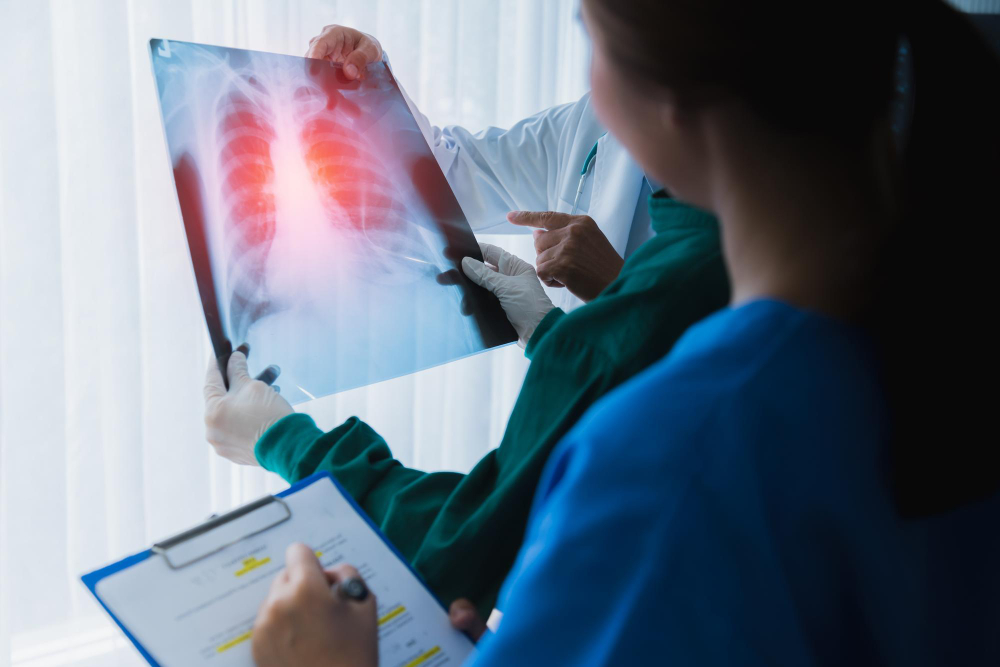
Sometimes, if a test is positive, your doctor may order a chest X-ray or other tests to check for active TB disease.
How to Prepare for a Tuberculosis Screening
Getting ready for a TB screening is simple. Still, there are a few things you should know:
For the TB skin test, you will need to return to the clinic in two or three days. This follow-up is important to read the results correctly.
What to Expect During and After Screening
During the TB skin test, you may feel a quick pinch as the fluid goes under your skin. Afterward, you can go about your day as usual. However, do not scratch or cover the test spot. For the TB blood test, a small blood sample is taken from your arm. Most people feel only mild discomfort. After the test, you may have a small bruise or soreness, but this goes away quickly.
Once your test is done, your healthcare provider will explain when and how you will get your results. If you had a skin test, remember to return for the reading.
Understanding Your Results
Your TB screening results will be either positive or negative. Here is what they mean:
Sometimes, a positive result means you have latent TB. This means the bacteria are in your body, but you are not sick or contagious. Your doctor will talk with you about treatment options to prevent active TB.
Prevention and Next Steps
Even if your TB screening is negative, you should take steps to stay healthy. For example, avoid close contact with people who have active TB. Wash your hands often and cover your mouth when you cough or sneeze. If you are at higher risk, follow your doctor’s advice about regular screening. In some places, public health programs offer free or low-cost TB screening. Ask your local clinic about options in your area.
If your test is positive, do not panic. Many people with latent TB never get sick. However, treatment can help prevent future problems. Always take your medicine as directed and keep all follow-up appointments.
Consult a healthcare provider Zulfiqar Haide for personalized tuberculosis screening advice.